
A poorly planned move is costly, not just in euros but also in lost time, broken items, and disputes that drag on for months. We observe that most problems arise well before the big day, during the preparation phase, where technical decisions are made.
Photographic evidence and legal protection before loading
Disputes related to moves (damage, overcharging, delivery delays) are increasing. Consumer associations now recommend photographing each piece of furniture and equipment before departure, and then upon arrival. This practice, almost absent from mainstream guides, is the only admissible evidence in case of a dispute with a carrier or an insurance company.
We also recommend documenting the wiring (internet box, hi-fi, built-in appliances). A quick snapshot of each connection saves hours of guesswork during installation. Date the photos or use an app that automatically geolocates the shots.
To delve deeper into logistical and architectural aspects, moving on SIA Architecture offers concrete insights on the layout of the new home, to be anticipated from this visual documentation phase.
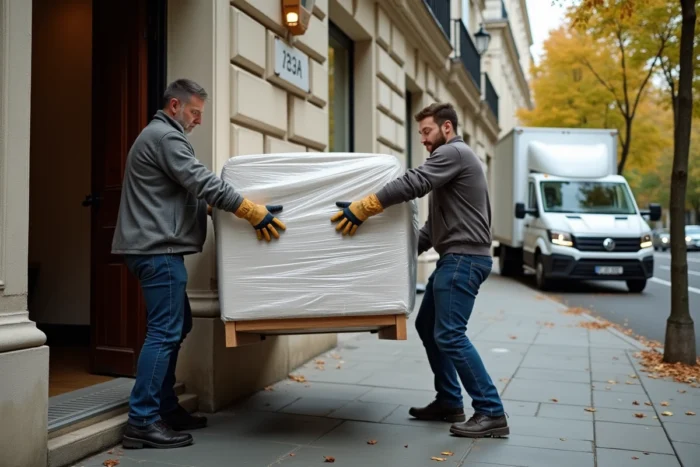
Moving budget: include a realistic contingency margin
A signed quote never covers all actual costs. Temporary storage, cleaning of the vacated home, rental repairs, meter activation: these items add up quickly. The standard recommendation among industry professionals is to allow for a safety margin of 25 to 30% above the initial quote.
This financial cushion absorbs unexpected expenses without upsetting your cash flow in the month of the move. Too many individuals budget only for transportation and boxes, then discover restoration or storage fees they hadn’t anticipated.
Often underestimated expenses
- The activation fees for water, electricity, and gas meters, which vary depending on the provider and type of meter (special reading, express opening)
- The professional cleaning of the vacated home, sometimes required by the landlord under penalty of withholding the security deposit
- Temporary storage in a storage unit if the entry and exit dates do not coincide, a common scenario during summer moves
Stress management and micro-goals: the psychological aspect of moving
Recent guides specializing in relocation emphasize a point that classic articles overlook: emotional management is as crucial to success as good planning. Disturbed sleep, neglected diet, increased irritability – moving is among the most anxiety-inducing life events.
We recommend starting preparations at least twelve weeks before the big day. This timeframe allows you to spread tasks into daily micro-goals: sorting a drawer, making a few administrative calls, packing a dozen books. This fragmented approach significantly reduces mental load compared to a last-minute sprint.
Protecting your physical capacity
Carrying heavy boxes after short nights increases the risk of injury. Maintain regular physical activity in the weeks leading up to the move, even if it’s light. A rested and mobile body on the big day is better than three tired movers.

Packing fragile and bulky items: professional method
Packing is the area where individuals make the most technical errors. A poorly filled box (too heavy, too empty, unprotected items) is the leading cause of breakage during transport.
- Heavy items (books, dishes) should go in small boxes. Filling a large box with books makes it untransportable and weakens the bottom
- Each fragile item must be packed individually in kraft paper or bubble wrap, then secured to eliminate any empty space in the box
- Items like pianos, mirrors, or screens require custom packaging (padded blankets, foam corners) and vertical transport, never flat
- Label each box on two sides with the contents and destination room, adding “fragile” if necessary
For disassembled furniture, keep the screws in zip bags taped directly to the relevant item. Losing four screws during a move can prevent the reassembly of an entire wardrobe.
Administrative procedures: the technical timeline to follow
Contract cancellations and subscriptions follow non-negotiable timelines. Transferring an internet line often takes several weeks. Opening an electric meter may require an appointment with a technician if the property was unoccupied.
We recommend handling these procedures in order of decreasing urgency. Internet access should be requested first (the longest delay), followed by electricity and gas, then water. Mail forwarding with La Poste can be set up in a few days and can wait until the last week.
Regarding home insurance, the new contract (or the transfer of the existing one) must be active from the day the keys are handed over. A home uninsured on moving day exposes you to a denial of compensation in case of damage, even if your furniture is not yet installed.
The essentials bag (medications, chargers, identity documents, contracts, a few clothes) remains the last item loaded and the first unloaded. This simple logistical detail prevents you from rummaging through twenty boxes at nightfall in an empty home.