Lidl scores 40.8 points in 2024 for value for money according to YouGov’s BrandIndex tracking, tying with E.Leclerc. This figure reflects a 2.2-point increase over the year for the German retailer. Behind this overall score, the reality of prices and quality varies depending on the type of product and the shopping profile.
Private Label Basket at Lidl: Where the Real Price Gap Lies
The comparison between retailers changes dramatically depending on the composition of the shopping cart. A UFC-Que Choisir survey published in March 2025, covering a basket of 80 products made up of 73% private label brands, places Lidl ahead of E.Leclerc in this specific segment.
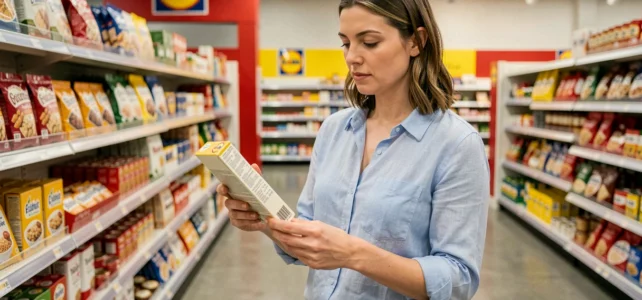
This distinction matters, as Lidl builds its offering around its own brands. Unlike a traditional hypermarket that stocks several thousand products from national brands, Lidl deliberately limits the number of references per aisle. The consumer who is willing to forgo a specific brand benefits from lower prices.
Several reviews on Lidl on Vidéos du Net support this trend by analyzing daily prices.
Lidl Product Quality: What Independent Tests Say
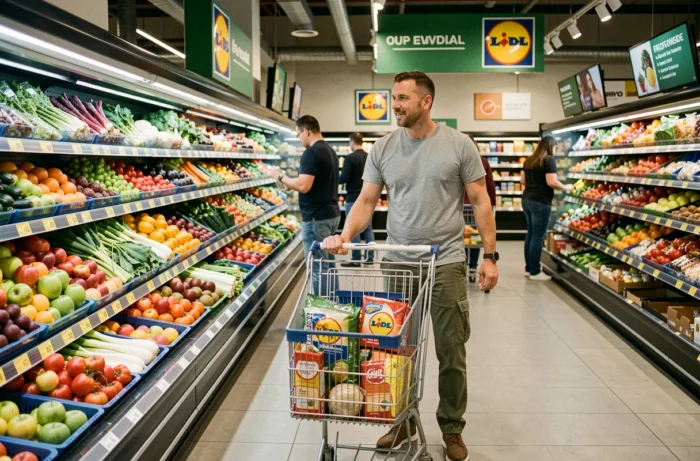
The price means nothing if the quality does not follow. In this regard, the results are mixed across categories.
On the success side, the German organization Stiftung Warentest ranked Lidl’s Formil Tropical liquid detergent as the best reference in its comparative test in 2026, priced at 1.80 euros.
On the weaknesses side, 60 Millions de consommateurs ranks Lidl among the poor performers on additives in its private label brands. The Nutri-Scores of Lidl’s private label products are often disappointing.
What Cien Cosmetics Reveal
The Cien skincare and beauty range is a special case. Sold at very low prices, it is regularly tested by specialized magazines.
For skincare products, the question is not only the face value price but the ratio between the number of active ingredients and the actual cost per use.
Buyer Profile and Actual Profitability of Shopping at Lidl
Lidl is not suitable for all shopping profiles. The financial gain depends on three concrete variables:
- The share of private label products in the cart: the higher it is, the greater the price gap with traditional retailers in favor of Lidl. A consumer loyal to national brands will not find their bearings.
- The distance to the store: a detour of several kilometers to reach a Lidl, while a traditional supermarket is nearby, quickly erodes the savings made, in terms of fuel and time.
- The need for choice by category: Lidl offers a limited number of references per product. For everyday cooking, this is sufficient. For specific needs (dietary requirements, extensive organic ranges, regional products), a supplement from another retailer is often necessary.
The Trap of Non-Food Items
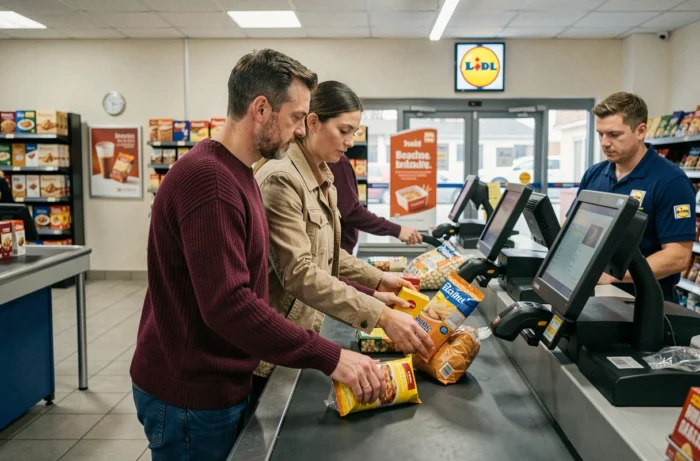
Occasional arrivals of equipment (kitchen, DIY, sports) attract customers who do not come for food. These non-food products represent a traffic lever, but their quality varies greatly from one arrival to another. Without the possibility of extended returns or structured customer service like at a specialist store, the displayed savings can turn into a bad deal on regularly used equipment.
Lidl Plus Loyalty Card and Promotions: A Different Model
Lidl has launched its dematerialized loyalty card, Lidl Plus, which works exclusively through the mobile app. The model differs from traditional cards: no accumulation of convertible points, but targeted discount coupons activated each week in the app.
This system presents an advantage for regular shoppers who check the app before their purchases. The discounts often apply to fast-moving products (fruits, vegetables, fresh products). On the other hand, the occasional consumer who does not check the app misses out on the main part of the promotional system.
The retailer complements this mechanism with weekly catalog promotions, but the number of references on promotion remains lower than what hypermarkets offer. Lidl’s strategy relies more on a permanent low price than on spectacular occasional promotions.
Lidl offers a real and measurable price advantage for consumers who structure their shopping around private label brands. On quality, the balance remains uneven: documented successes in laundry detergent, but persistent shortcomings in additives and nutritional compositions. The detour is justified mainly when the store is on a usual route and the cart is predominantly made up of private label products.